The Science

Real Diamonds.
Grown Differently.

Lab-grown diamonds are not simulated. They are not cubic zirconia. They are chemically, physically, and optically identical to mined diamonds — grown in weeks instead of billions of years.

The Truth About Lab-Grown Diamonds

Identical at the Atomic Level

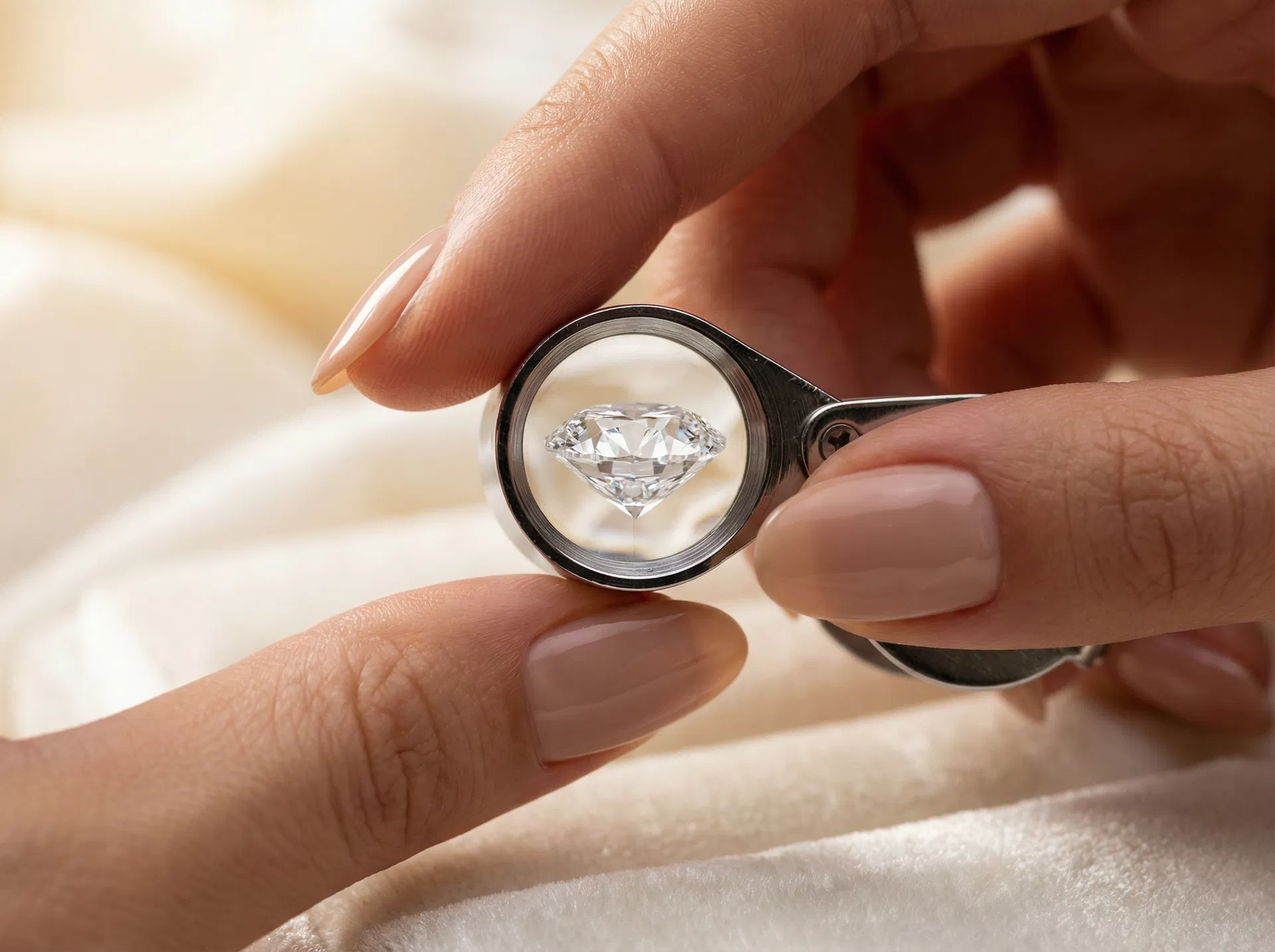
A gemologist with a loupe cannot tell the difference. Neither can a spectrometer. The only difference is origin — and price.

Lab-Grown Diamond
CVD & HPHT Process · KLARÈVE Standard
  • 100% pure carbon crystal — identical chemical composition
  • Same hardness (10 on Mohs scale), same refractive index
  • IGI certified — same grading standards as mined diamonds
  • 50–70% below mined diamond prices at equivalent grades
  • Zero mining impact — no land displacement, no conflict risk
  • Grown in controlled conditions — consistent, predictable quality
Mined Diamond
Traditional · Legacy Market
  • 100% pure carbon crystal — same chemical composition
  • Same hardness, same optical properties
  • GIA or IGI certified
  • Significantly higher price for identical visual appearance
  • Complex supply chain with environmental and ethical considerations
  • Natural inclusions and color variance — less predictable
Gemologist holding a lab-grown diamond
Grown in a Laboratory
“Every facet, every grade, every certificate — documented.”
CVD & HPHT  ·  IGI Certified  ·  Ideal / Excellent Cut
How We Grow Them

Two Processes. One Standard.

KLARÈVE sources diamonds grown by both CVD and HPHT — the two industry-leading methods. Each produces a chemically identical, IGI-certified diamond. The process is chosen based on the carat size and grade profile, not cost-cutting.

CVD — Chemical Vapour Deposition
01
Diamond Seed
A thin slice of existing diamond crystal is placed in a vacuum chamber as the growth foundation.
02
Carbon Gas
A carbon-rich gas mixture (methane) is introduced and ionised into plasma at 3,000°C.
03
Crystal Growth
Carbon atoms bond to the seed layer by layer, building the diamond lattice over 4 to 6 weeks.
04
Cut & Certify
The rough diamond is cut to Ideal/Excellent standards and submitted to IGI for independent grading.
HPHT — High Pressure High Temperature
01
Carbon Source
High-purity graphite or diamond powder is packed around a small diamond seed crystal inside a metal capsule.
02
Extreme Pressure
The capsule is subjected to pressures exceeding 1.5 million PSI — replicating conditions 150 km below Earth's surface.
03
High Temperature
Temperatures reach 1,300–1,600°C, melting the carbon source and allowing atoms to crystallise onto the seed.
04
Cut & Certify
The grown rough is precision-cut to Ideal/Excellent standards and independently graded by IGI.
Understanding Diamond Quality

The 4Cs — What Actually Matters

Every KLARÈVE diamond is graded on the same four criteria. Here's what each means — and what we guarantee.
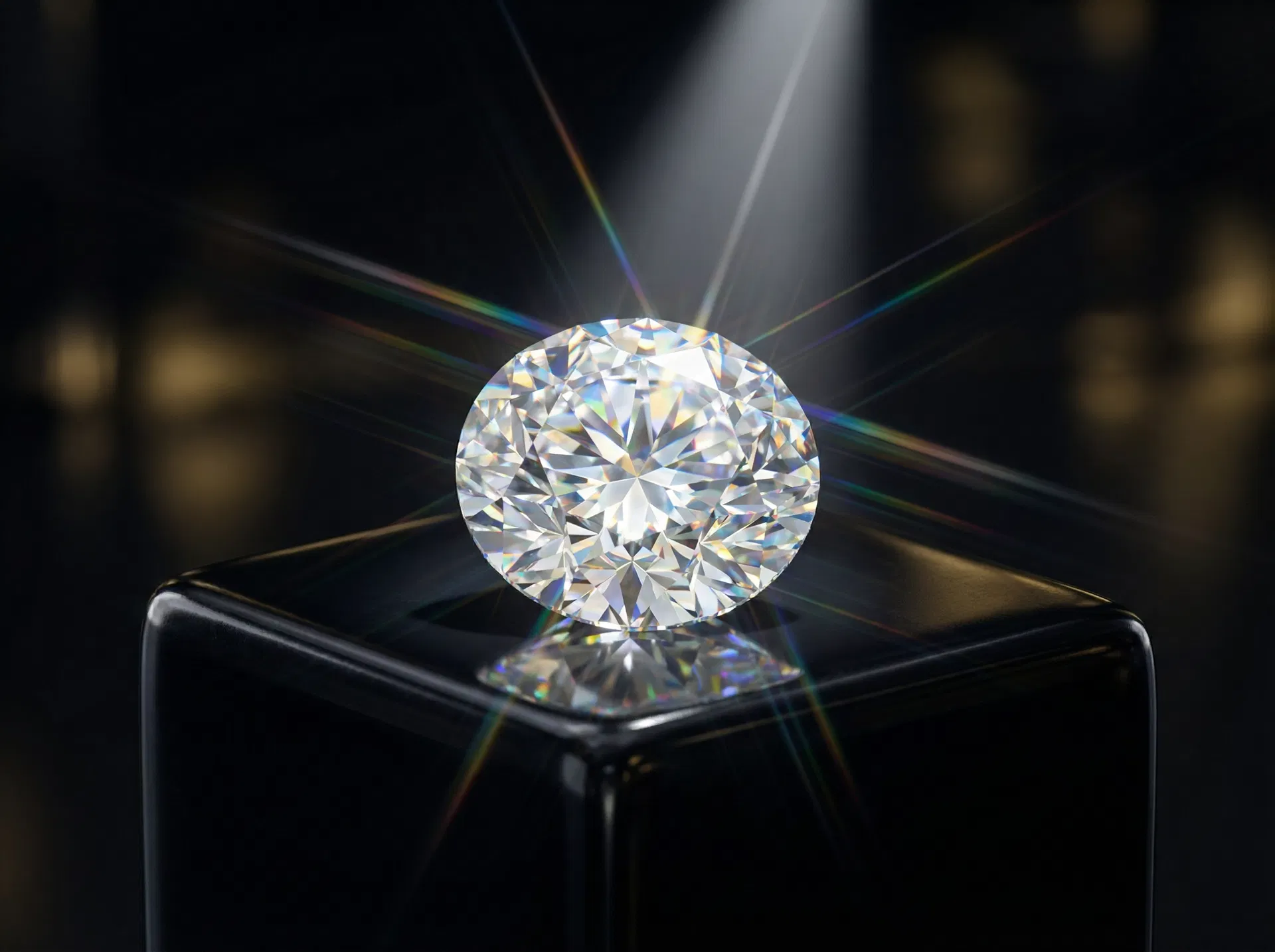
Cut diamond
The First C
Cut
Cut determines how a diamond interacts with light — its brilliance, fire, and scintillation. It is the single most important factor in a diamond's visual beauty. A poorly cut D/FL diamond will look duller than a well-cut G/VS1.
Every stone is Ideal/Excellent cut. No exceptions. This is non-negotiable.
IGI Scale
IdealMaximum light return. Reserved for the top ~3% of diamonds. The benchmark for brilliance.
ExcellentExceptional light performance. Virtually indistinguishable from Ideal to the naked eye.
Very GoodSuperior light performance with minor trade-offs. Still a strong choice.
GoodReflects most light. Visible reduction in brilliance vs. Excellent.
Fair / PoorSignificant light leakage. Not recommended.
Color diamond
The Second C
Color
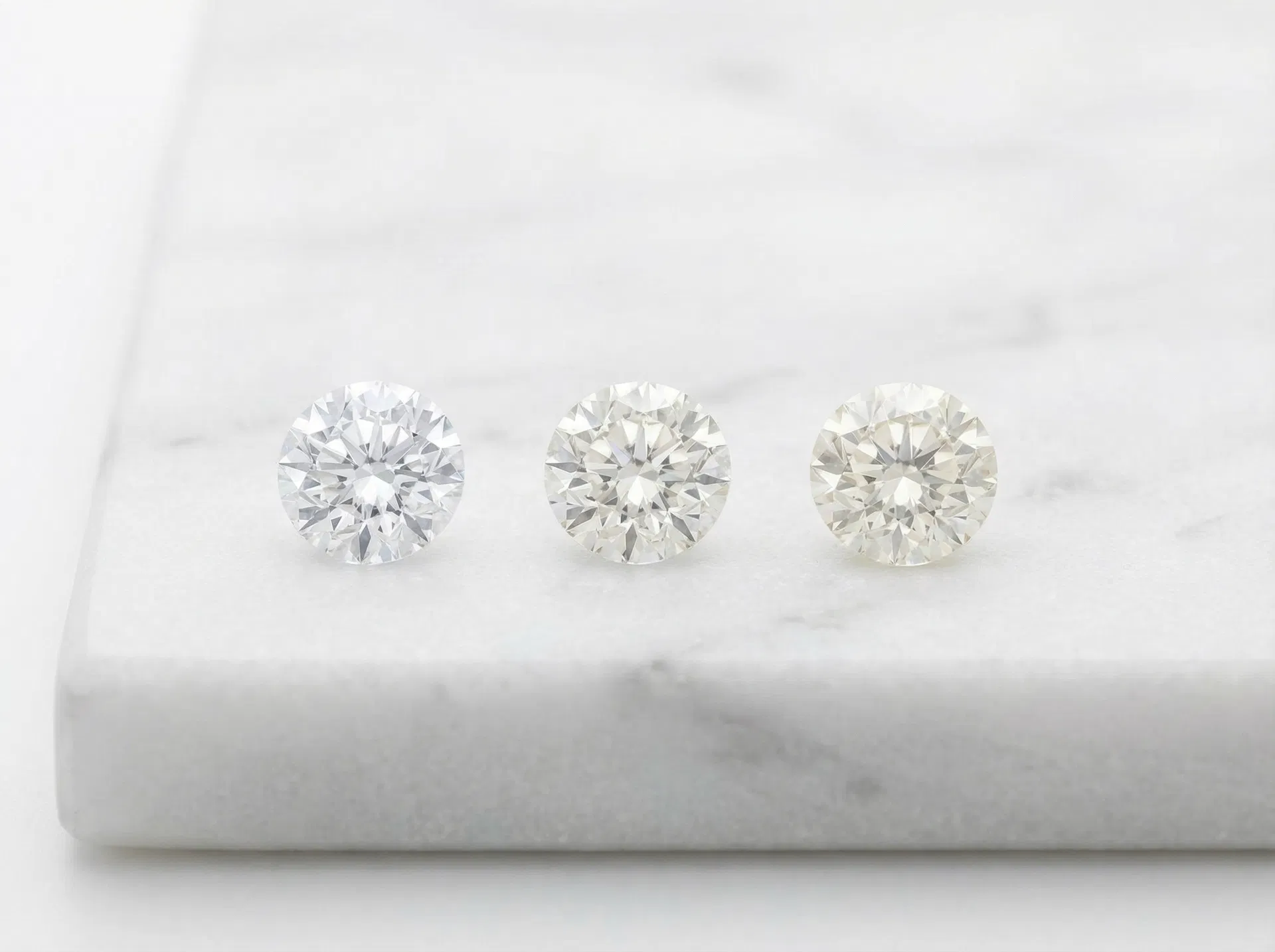
The IGI color scale runs from D (colorless) to Z (light yellow). For most buyers, the practical range is D through J. Below G, a trained eye can detect warmth. Below J, it's visible to most people.
Classic starts at G. Signature starts at F. Reserve starts at E. All are colorless or near-colorless to the naked eye.
IGI Scale
D – FColorless. The rarest and most prized range. No detectable color even under magnification.
G – HNear-colorless. Excellent value. Color only detectable when compared side-by-side with higher grades.
I – JNear-colorless. Slight warmth detectable by a trained eye. Still beautiful in most settings.
K – MFaint yellow. Noticeable warmth. Not recommended for colorless-look buyers.
N – ZLight to obvious yellow or brown tint. Below KLARÈVE's minimum standard.
Clarity diamond
The Third C
Clarity
Clarity measures internal inclusions and external blemishes. The IGI scale runs from FL (Flawless) to I3. VS1 and above are "eye-clean" — no inclusions visible without magnification. This is the threshold we care about.
Every stone is VS2 or better. All are eye-clean. Classic starts at VS2. Signature and Reserve start at VS1 or VVS2.
IGI Scale
FL / IFFlawless / Internally Flawless. No inclusions visible under 10× magnification. Extremely rare.
VVS1 / VVS2Very Very Slightly Included. Minute inclusions extremely difficult to detect under 10×.
VS1 / VS2Very Slightly Included. Minor inclusions not visible to the naked eye. Eye-clean threshold.
SI1 / SI2Slightly Included. Inclusions visible under 10×; SI1 is often eye-clean, SI2 may not be.
I1 – I3Included. Inclusions visible to the naked eye. Below KLARÈVE's minimum standard.
Carat diamond
The Fourth C
Carat
Carat is the weight of the diamond (1 carat = 0.2 grams). Larger carats are rarer and command higher prices. A 2ct diamond is not twice the size of a 1ct — it's about 28% wider in diameter.
We offer 7 carat tiers from 1ct to 5ct. Each tier is a tight range (e.g., 2.00–2.09ct) so you know exactly what you're getting.
IGI Scale
1 ct~6.5 mm diameter. The classic benchmark. Noticeable without being ostentatious.
2 ct~8.1 mm diameter. A significant statement. The most popular upgrade tier.
3 ct~9.4 mm diameter. Commanding presence. A stone that enters the room first.
5 ct~11.0 mm diameter. Rare and exceptional. Reserved for the most significant moments.

See how KLARÈVE applies these grade standards across our three collections — each curated to deliver the best value at its tier. Explore the collections →

Independent Certification

Why We Only Use IGI

IGI
International Gemological Institute
Sample Grading Report
Shape Round Brilliant
Carat Weight 2.01 ct
Color Grade F — Colorless
Clarity Grade VS1 — Eye Clean
Cut Grade Excellent
Fluorescence None
Origin Laboratory Grown

The world's largest independent gemological laboratory. Founded in 1975. Over 500 staff gemologists across 20 countries. The gold standard for lab-grown diamond certification.

01
The Industry Standard for Lab-Grown
IGI is the leading certification body specifically for lab-grown diamonds. Their graders have more experience with CVD and HPHT stones than any other laboratory. Their grades are consistent, reliable, and respected across the industry.
02
Full 4Cs Report Included
Every KLARÈVE diamond comes with a full IGI grading report documenting cut, color, clarity, carat weight, measurements, fluorescence, and a unique laser inscription on the girdle. You can verify your stone's identity independently at any time.
03
No Self-Grading. Ever.
We never grade our own inventory. Every stone is submitted to IGI before it enters our catalogue. The grade you see is the grade IGI assigned — not our internal assessment. This is the only way to guarantee objectivity.

Ready to Choose Your Diamond?

Now that you know the science, let the concierge guide you to the right stone.

Start the Concierge Experience